Portable Buildings Sunshine Coast
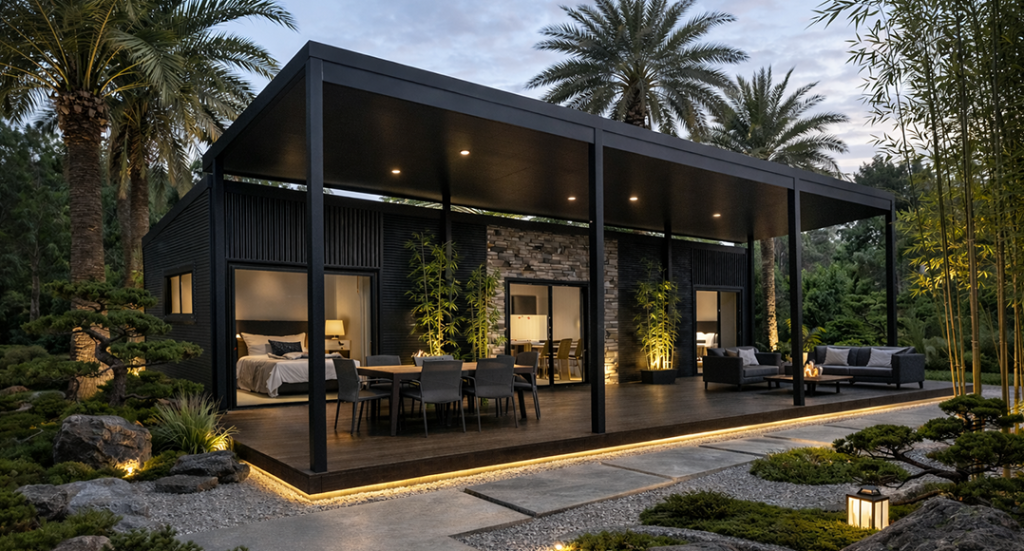
Portable buildings Sunshine Coast families and businesses can customise for accommodation, offices and site facilities. Built in Caboolture.
Teeny Tiny Homes supplies customisable portable buildings for Sunshine Coast families, property owners and businesses. Built off site at our Caboolture facility, the range can support accommodation, office, tourism, agricultural and worksite needs when the site, access and intended use are suitable.
Come and Visit us at Our Showroom
If you are Searching for Portable Buildings for Sale Sunshine Coast, Call Us Now to Discuss your Needs at 0426 813 569
Talk to One of Our Specialists Today for your Free No-Obligation Quote
A Better Fit for the People Using the Space
Portable buildings are most effective when selected around a clear outcome rather than a generic floor plan. A family may need independent accommodation or a guest space. A growing business may need an office, reception room or staff facility. Rural and tourism operators may require accommodation or flexible operational space. We help buyers compare building sizes and inclusions against the people, equipment and activities the building needs to support.
Popular Applications
- Family and guest spaces: Create accommodation, a retreat or a self-contained living area, subject to approval.
- Portable offices: Add a focused workspace, consultation room, reception area or administration facility.
- Site and staff facilities: Plan buildings for work crews, amenities or operational support.
- Tourism and rural projects: Develop accommodation or functional spaces for suitable properties and approved uses.
Layouts and Inclusions Built Around the Brief
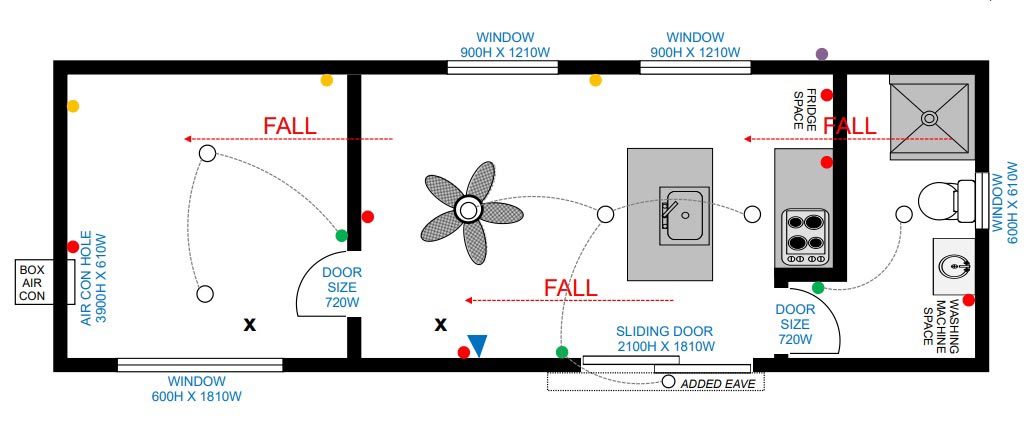
Available configurations include compact studios, cabins and larger homes with bedrooms, kitchens, bathrooms, laundries, storage and living areas. Commercial layouts can prioritise open workspace, private offices, meeting areas, amenities or customer-facing zones. The selected dimensions must balance internal function with transport, access and placement constraints.
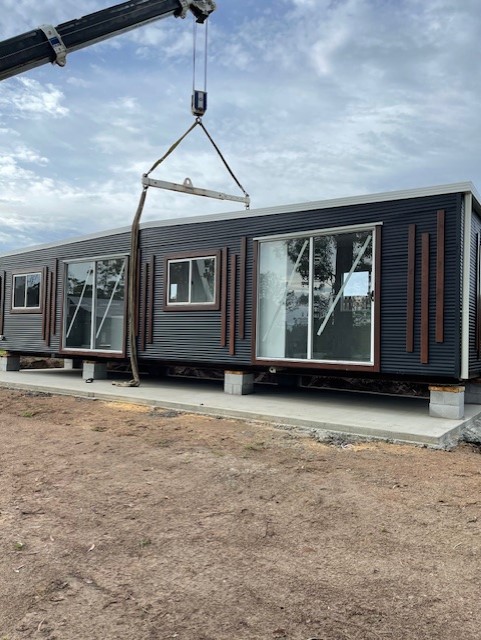
See completed projects in our tiny homes and portable buildings gallery before choosing a configuration.
Planning Delivery to a Sunshine Coast Property
The Sunshine Coast includes dense urban areas, coastal properties, rural land and hinterland sites. Each creates different questions about access, weather exposure, services, drainage and installation. Supplying the site address, photographs and intended placement early helps identify risks before they become expensive changes.
Approvals Depend on the Site and Intended Use
The term portable describes how a building is constructed or moved; it does not define what can legally occur on a property. Planning, building, plumbing, accessibility, workplace or accommodation requirements may apply depending on the project. Buyers should obtain advice from Sunshine Coast Council and appropriately qualified consultants for the proposed use.
Why Work With Teeny Tiny Homes
- One supplier, multiple applications: Explore residential and commercial configurations within a broad portable-building range.
- Design flexibility: Select dimensions, rooms and inclusions that serve the intended use.
- Quality you can inspect: Visit the Caboolture display yard before making a final selection.
- Delivery planning: Discuss route, site access and placement requirements as part of the buying process.
Solve Your Space Requirement With the Right Building
Tell us what the building must achieve, who will use it and where it needs to go. Teeny Tiny Homes will help you compare suitable sizes, layouts and inclusions while identifying approval and access questions early. Book a free design discussion or visit our Caboolture display yard before ordering for your Sunshine Coast site.
Book your free design discussion and bring your site details so the conversation can focus on a realistic solution.
Frequently Asked Questions
Do you supply portable buildings to the Sunshine Coast?
Yes. Our buildings are produced in Caboolture and can be delivered to suitable Sunshine Coast sites.
Are portable buildings only for residential use?
No. They can be configured for residential, office, accommodation, tourism, rural and worksite applications, subject to approvals.
Can I inspect a building before ordering?
Yes. Visit our display yard at 135 Old Toorbul Point Road, Caboolture, during advertised opening hours.
Are prices the same for every design?
No. Price varies with size, layout, inclusions, customisation, transport and site-related requirements.
What information should I provide for a quote?
Provide the intended use, preferred size, site address, access details, desired inclusions and target timeframe.
What Makes Our Portable Buildings Different?
Delivering Portable Buildings Australia Wide

8+ Years of Experience in supplying Portable Buildings

Local Australian Owned & Operated

Environmentally, Economically-friendly Sustainable Living

Affordable Competitive Pricing

Custom Plan Your Portable Building

Warranty Included on Portable Buildings