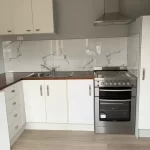
Teeny Tiny Homes explains the tiny home induction cooktop upgrade versus ceramic cooking for buyers planning a comfortable compact home in Queensland.
Selecting a cooktop during design affects cooking speed, cleaning, safety and the electrical setup of a compact kitchen. A tiny home induction cooktop upgrade can improve convenience, but it must suit your budget, cookware and power supply. At Teeny Tiny Homes, we include a ceramic cooktop and oven as standard, with a listed $600 upgrade to a 60 cm induction cooktop while retaining the oven.
Is the 60 cm Induction Upgrade Worth the Extra Cost?
The induction upgrade is generally worthwhile if you cook regularly and value fast heating, responsive temperature control and simpler cleaning. Induction heats compatible cookware directly, while a ceramic element heats the glass before transferring heat to the pan.
That difference is useful in a small, open plan home because less heat is wasted around the cooking vessel. The surface can still become hot from the pan, but spills are less likely to bake on, while suitable models may provide pan detection, child locks and automatic shut-off.
Ceramic or Induction: What Changes in Daily Use?
Keeping the ceramic cooktop controls your initial build cost and avoids an upgrade you may rarely use. Induction delivers faster cooking performance, although its value depends on your habits and cookware. Australian consumer testing by CHOICE found induction faster and more efficient at transferring heat, but annual running costs varied between tested models.
- Upfront cost: Our ceramic cooktop is included, while our tiny home induction cooktop upgrade is currently listed at $600.
- Temperature response: Induction adjusts quickly; ceramic responds more slowly and retains heat after being switched off.
- Cookware: Ceramic accepts most flat-based pans, while induction requires a magnetic base. A firmly sticking magnet provides a useful compatibility check.
- Bench space: A 60 cm surface suits a compact kitchen, but several large pans may crowd its zones and controls.
- Cleaning and safety: Induction spills are less likely to burn onto the flat glass. The surface still requires protection from impacts and scratches.
- Ventilation: Either option should use our externally vented canopy rangehood to remove steam and cooking particles.
- Overall value: Treat the $600 as a performance upgrade, not guaranteed electricity bill savings.
What Electrical Details Must Be Confirmed?
The appliance’s connected load, current rating and circuit requirements should be confirmed before finalising the electrical plan. Full-sized ceramic and induction cooktops can both create substantial demand, so the technology alone does not reveal which is easier to support. Our electrical work is undertaken by a licensed professional, and an electrical safety certificate is provided.
For a grid-connected home, consider the cooktop alongside the oven, air conditioner and appliances that may operate simultaneously. For an off-grid home, the inverter, battery and solar design must support daily consumption and periods of high demand. Our guide to off-grid tiny house systems explains why appliance choices belong in the power assessment.
Teeny Tiny Homes and Your Tiny Home Induction Cooktop Upgrade
The right cooktop depends on how often you cook, your pans and the home’s power system. At Teeny Tiny Homes, we can help you compare the included ceramic option with the listed induction upgrade before selections are finalised. Deciding during design clarifies costs and reduces the risk of cookware or electrical limitations later.
Review our current kitchen upgrade pricing and inclusions, then send an enquiry through our contact page for details about the cooktop available with your selected home.